Vea también


 20.02.2026 08:38 AM
The US dollar continued to strengthen against the euro, the pound, and other risk assets, driven by objective factors.
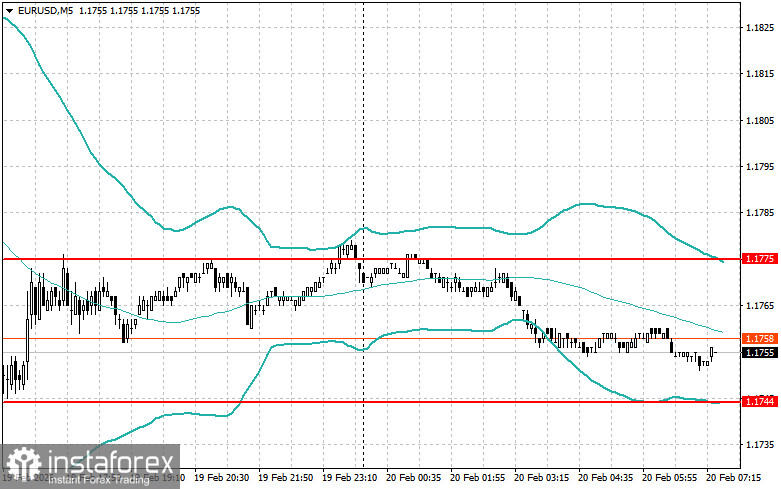
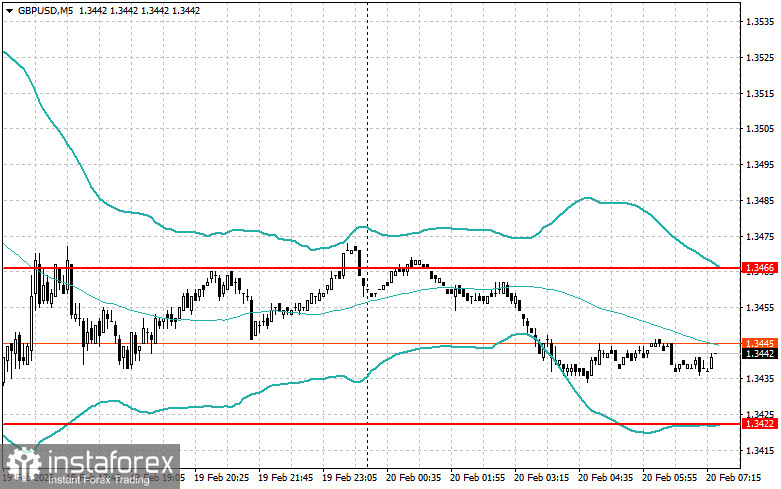
Yesterday, the euro continued its decline against the dollar, a consequence of positive US labor market data, particularly the unemployment claims report. A similar narrative unfolded for the British pound. This report, released amid the broader recovery of the US economy, indicated employment resilience and a low number of initial unemployment claims, which typically signals a positive outlook for the US dollar.
However, upcoming macroeconomic indicators from both the US and the Eurozone will play a more significant role, as they may either confirm or adjust current trends. In the first half of the day, key indicators reflecting business activity in the region are expected to be published: the manufacturing purchasing managers' index (PMI), the services PMI, and the composite PMI for the Eurozone for February. These figures serve as a barometer of economic activity and business sentiment, significantly shaping currency pair dynamics and market expectations.
As for the British pound, volatility is likely to surge as traders monitor any signs of a slowdown in the British economy. Weak data on retail sales or production could signal further selling pressure. However, the most critical indicator will be the UK services PMI. If the PMI Services index shows unexpectedly strong growth, it could serve as a lifeline for the pound. Strong performance in services, which includes finance, tourism, and other vital sectors, would indicate economic resilience despite potential weaknesses in other areas. In that case, the pound might not only stabilize but also show a slight rebound, easing traders' concerns.
If the data aligns with economists' expectations, it would be better to act based on the Mean Reversion strategy. If the data is significantly higher or lower than economists' expectations, the Momentum strategy would be most appropriate.