
Vea también


 11.12.2025 11:33 AM
Discussions regarding the need for the European Central Bank (ECB) to raise interest rates rather than lower them have completely overturned market expectations for further monetary easing.
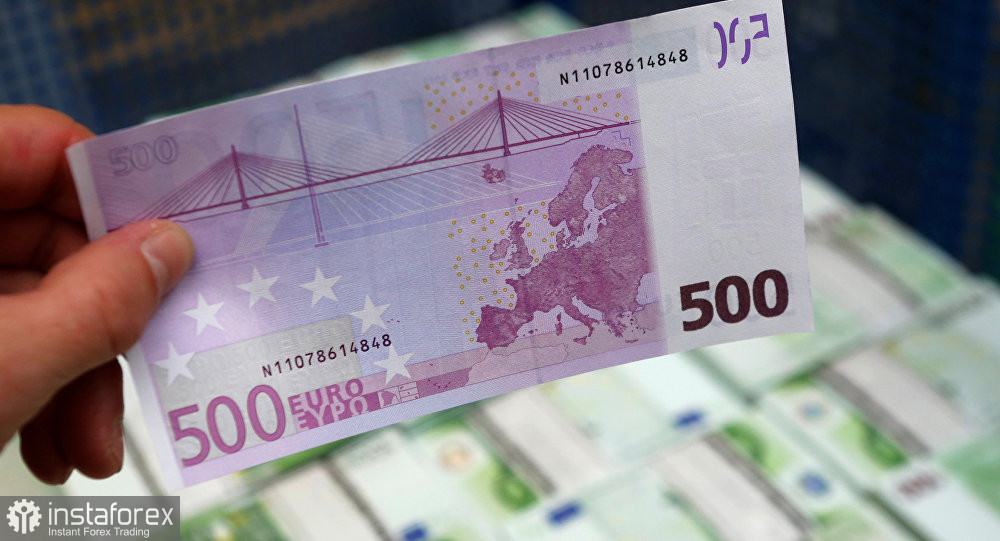
However, a number of European officials, including Governing Council member Francois Villeroy de Galhau, were quick to dispel such talks. Villeroy stated that the European Central Bank has no grounds for an imminent interest rate hike, as it is likely to keep borrowing costs unchanged at the upcoming meeting next week.
The head of the Bank of France noted that it would likely be prudent to maintain interest rates at the current favorable level while remaining flexible and open to future meetings when discussing the monetary policy decision scheduled for December 18. He added that, as the current situation indicates, there are no grounds to expect a rate increase in the near future, contrary to some recent rumors and assumptions.
Such statements are generally aimed at calming the markets and preventing unwanted euro appreciation, which could negatively impact the export competitiveness of European companies. The ECB appears to intend to adopt a wait-and-see approach, assessing the impact of already implemented stimulus measures on the eurozone economy. At the same time, discussions about possible changes in monetary policy signal divisions within the ECB Governing Council. Hawks advocate for a tighter stance, while doves emphasize the need to support economic growth, especially given the ongoing uncertainties in the global economy.
Villeroy's comments came after board member Isabel Schnabel stated that she is confident that the ECB's next move will be an interest rate hike.
Yesterday, ECB President Christine Lagarde also spoke, indicating that she may refresh forecasts regarding monetary policy and the economy in December. In addition to the new forecasts, Lagarde will likely provide a more detailed justification for the ECB's position. Investors will closely monitor any hints regarding how the ECB assesses the current economic situation and which factors will be most significant in future decision-making. Particular attention will be paid to comments about the trajectory of inflation and economic growth prospects.
A scenario in which the ECB begins to raise rates would pose a significant challenge for the European economy. Higher interest rates could negatively affect investment, consumption, and economic growth rates. Additionally, this could lead to euro appreciation and a reduction in the competitiveness of European companies in the global market. However, it is important to remember that forecasts are merely projections. The economic situation can change rapidly, and the ECB will need to adapt its policy to new conditions.
Currently, the markets have almost fully priced in the absence of a rate cut in 2026, and the number of analysts expecting the ECB to begin raising rates is rapidly increasing.
Regarding the current technical outlook for EUR/USD, buyers need to focus on reclaiming the level of 1.1710. Achieving this will open the way for a test at 1.1725. From there, they could aim for 1.1750, although doing so without support from major players may prove challenging. The ultimate target will be the peak at 1.1777. If the trading instrument declines, I expect significant actions from major buyers around the 1.1675 level. If there is no activity there, it may be wise to wait for a new low at 1.1650 or to open long positions from 1.1615.
Concerning the technical picture for GBP/USD, pound buyers need to reclaim the nearest resistance at 1.3390. This will allow them to target 1.3420, above which a breakthrough may be quite difficult. The further target will be around 1.3440. Should the pair decline, bears will attempt to take control at the 1.3350 level. If successful, a breakdown of this range could significantly undermine bullish positions, pushing GBP/USD down to a low of 1.3320 with the potential to reach 1.3285.


