Vea también


 07.08.2026 12:43 PM
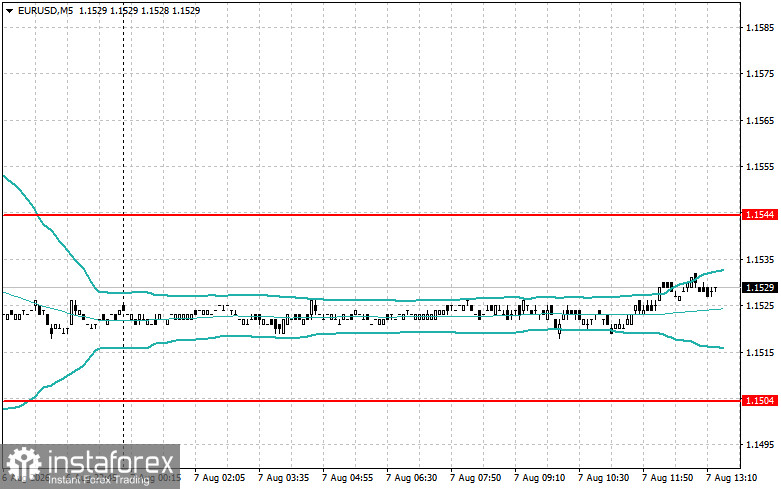
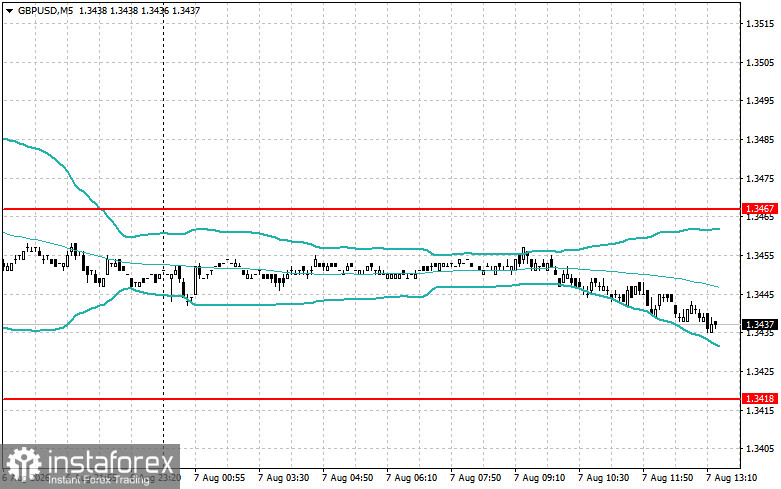
Due to low market volatility, only the pound could be traded today using the Mean Reversion strategy, but even there, I did not get the strong reversal move I was waiting for. I did not trade anything using Momentum.
The U.S. labor market report for July is due today and will be the main event of the day, potentially setting the direction for the dollar in the near term. The key focus will be the change in nonfarm employment, known as Nonfarm Payrolls, which is considered one of the most important indicators of the state of the U.S. economy. This indicator shows how many new jobs were created outside the agricultural sector during the month, and the market uses it to assess whether the economy is gaining momentum or slowing down.
The unemployment rate and average hourly earnings data will complete the picture. The unemployment rate reflects the tightness of the labor market, while wage growth is particularly important because it is directly linked to inflationary pressure. Rising wages push prices higher, thereby strengthening the case for a more restrictive Fed policy, which is why the regulator monitors this component particularly closely. Another item on the agenda will be a speech by FOMC member Thomas Barkin, whose comments will help gauge the regulator's stance.
If the data are strong, demand for the dollar will increase, as a strong labor market and rising wages will increase the chances of a rate hike by the Fed. This poses a direct risk to the euro and the pound, as a stronger U.S. currency could weigh on EUR/USD and GBP/USD. A weak report, by contrast, would weaken the dollar and give both European currencies room to recover. Until the data are released, the pair is likely to remain subdued, as it did during the first half of the day, while a sharp increase in volatility is likely after the release, with much depending on how far the figures deviate from forecasts.
In the event of strong data, I will rely on the Momentum strategy. If the market does not react to the data, I will continue using the Mean Reversion strategy.