
Vea también


 22.07.2026 12:59 AM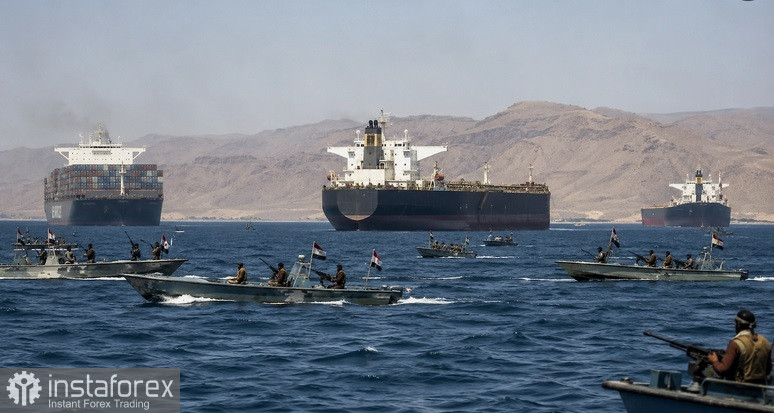
The tenth day of attacks in the Strait of Hormuz raises shipping risks and maintains a geopolitical premium on oil, contributing to rising prices for both gold and oil. The increase in oil prices represents an inflationary shock, which helps explain why treasury bonds are not behaving as a simple safe haven.
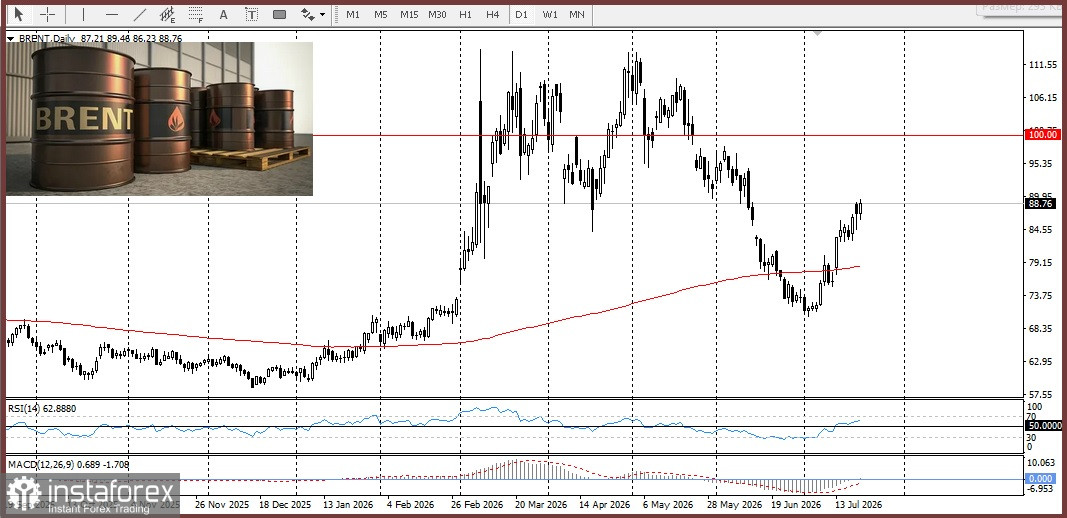
According to data from BNY Mellon, the U.S. Central Command confirmed strikes on command posts, launch sites, and air defense systems in Iran, while Iran struck American military bases in Kuwait and Jordan. Additionally, reports from the British Navy recorded attacks on ships near the Strait of Hormuz. In this context, BNY Mellon reports that tensions have raised the price of Brent oil to $88.73 per barrel and pushed gasoline prices in the U.S. above $4 per gallon, warning that disruptions in navigation through the Strait of Hormuz could further reduce global oil volumes and increase geopolitical risks.
Analysts at Deutsche Bank note that Monday's news was not entirely positive, highlighting that oil prices partially rebounded after a drop triggered by the Houthi's announcement of intent to impose a maritime blockade on Saudi Arabia, which could exacerbate oil supply issues.
In the context of the Middle Eastern conflict, they express some hope after a representative of the Iranian Foreign Ministry confirmed that ideas from various intermediaries had been conveyed to Iran. However, they caution that heightened rhetoric from Houthis in Yemen and President Trump has contributed to a 1.30% rise in Brent oil prices, reaching $89.38 per barrel.
OCBC strategists emphasize that shipping through the Strait of Hormuz has already significantly slowed, and oil prices have risen following reports that Iran-backed Houthis plans to restrict maritime pathways linking Saudi Arabia in the Red Sea. OCBC analysts warn that such actions could threaten one of the few alternative routes capable of compensating for disruptions in the Strait of Hormuz, potentially reducing oil supply volumes from the region. They add that a larger escalation might revive fears of prolonged supply shocks and lead to oil prices surpassing $100 per barrel. Brent oil prices reached $114 per barrel at the end of April, which is 40% higher than current levels.
MUFG analysts point out that key themes in the markets include rising tensions between the U.S. and Iran, involving Houthis in Yemen, as well as concerns about the sustainability of the AI boom. They note that the Houthis articulated their intention to impose a maritime blockade on Saudi Arabia in response to what they describe as the siege of their capital. This has led the Saudi-led coalition in Yemen to take measures to protect vessels in the Bab-el-Mandeb Strait at the southern end of the Red Sea.
MUFG also highlights that a complete blockade of the strait is an alternative scenario, which could force some tankers and cargo ships to follow longer routes through the Suez Canal and the Cape of Good Hope, ultimately affecting container shipping rates and transportation costs. However, they temper their risk assessment, stating that even if supply disruptions occur, they are unlikely to be sustained given Ansar Allah's lack of options.


