
Vea también


 07.04.2026 03:50 PM
US equity indices showed mixed performance, with the S&P 500 and the Nasdaq finishing in positive territory while the Dow Jones came under pressure. The primary driver of optimism was reports of potential progress in ceasefire talks in the Middle East. Those headlines lifted futures on major indices and supported oil prices, since lower geopolitical tensions typically help stabilize supply chains and improve macroeconomic expectations.
Investors are closely watching how quickly diplomatic initiatives translate into concrete steps. A narrowing risk premium in energy prices and a strengthening technology sector are creating interesting trading opportunities. Follow the link for more details.
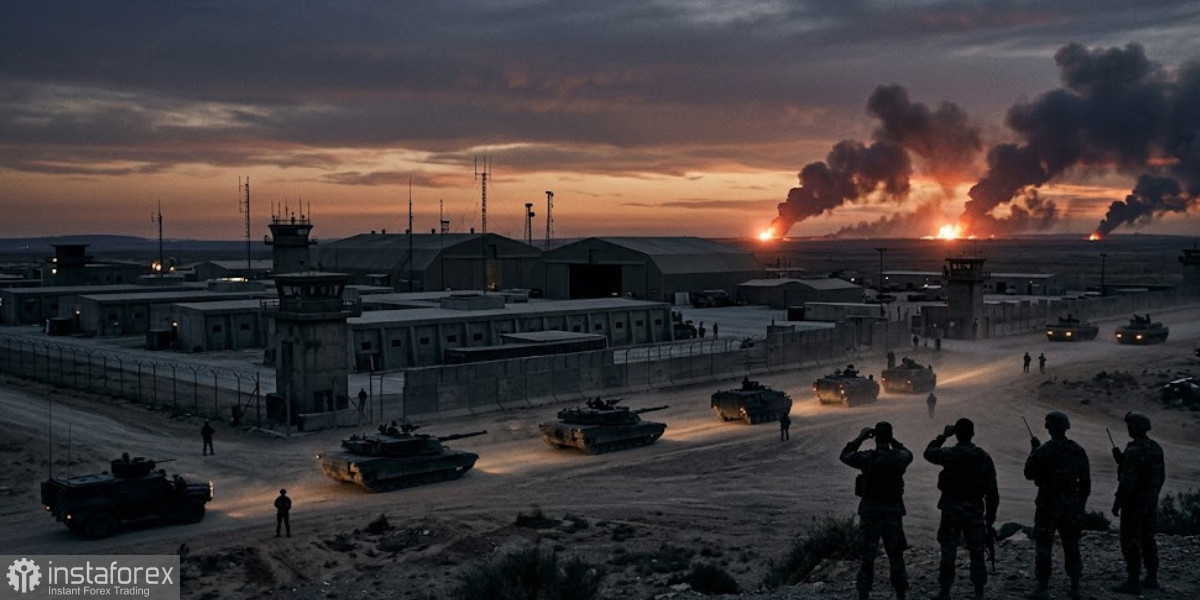
Donald Trump once again rattled markets with stark comments directed at Tehran, describing a potential operation against Iran's infrastructure as a "day of power plants and bridges." That aggressive rhetoric was balanced by an unexpected hint at the possibility of a major diplomatic agreement that could reset relations entirely. Iran, for its part, has officially declared it is fully prepared for any eventuality and will mount strong resistance in the event of escalation.
That uncertainty keeps commodity markets on edge, since any disruption to oil flows from the Gulf can instantaneously alter the global supply-demand balance. Financial analysts note that, so far, markets are pricing in mainly verbal interventions, but the risk of sudden moves remains very high, requiring market participants to be highly focused when managing capital. Follow the link for more details.
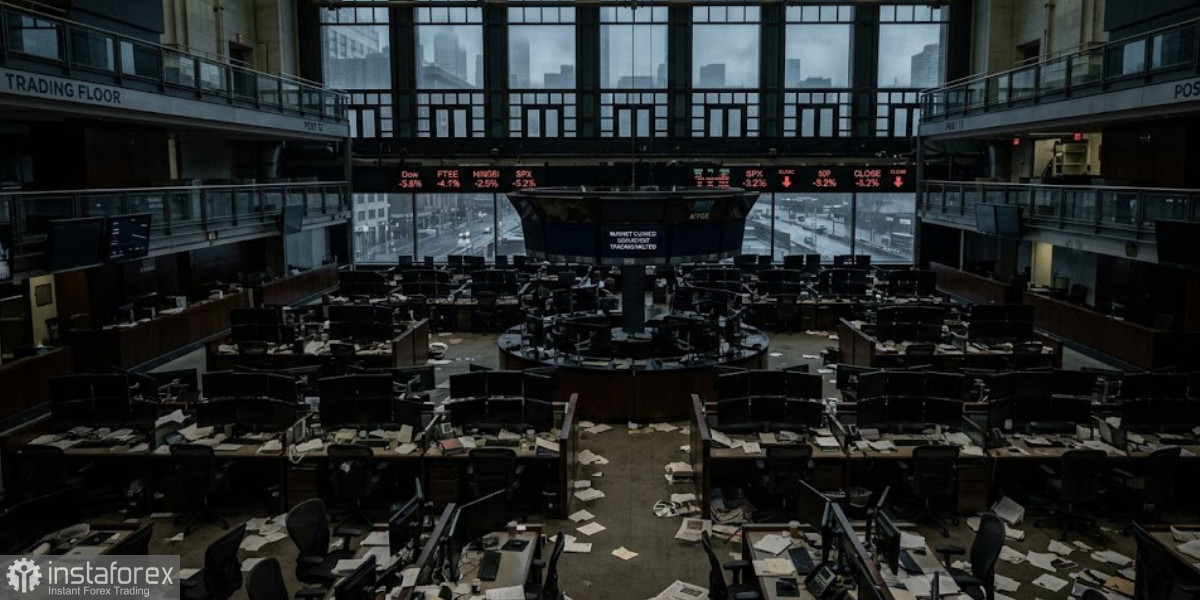
Global markets faced a wave of selling, in which the benchmark S&P 500 lost more than 5% of its value. The heaviest impact fell on overseas assets. According to the latest data, large hedge funds have begun to liquidate foreign equities en masse to reduce risk amid rising turbulence. Despite significant drawdowns, institutional investors continue to favor the US economy, viewing it as more resilient to systemic shocks than European or Asian markets.
This selective risk posture underlines the US role as a safe haven even during a localized correction. While big players rebalance portfolios, technical traders are hunting entry points for a rebound, using InstaTrade tools to analyze the depth of the correction and respond promptly to trend shifts in major FX pairs and equities. Follow the link for more details.

Despite activity from large holders (so-called "whales"), who have begun locking in profits and moving sizable volumes of Bitcoin onto exchanges, the leading cryptocurrency is showing notable resilience. The primary support factor has been steady capital inflows into spot Bitcoin ETFs. Fresh institutional demand is effectively absorbing excess supply in the market, preventing a deep collapse in prices and laying a solid foundation for future consolidation.
Analysts emphasize that a shift in Bitcoin ownership from retail to institutional funds makes the market less volatile over the long term. Current dynamics indicate that investors view any dips as opportunities for long-term accumulation rather than triggers for panic exits, which supports a constructive outlook through the end of the quarter. Follow the link for more details.

Donald Trump's call for European and Asian allies to stop buying Iranian oil in favor of alternative suppliers has met a restrained response in the Old World. France and the UK continue to insist on a diplomatic settlement and on maintaining channels of communication with Tehran, fearing that a sudden switch in suppliers would destabilize their own energy balances. This divergence between Washington and major European capitals is adding pressure to the euro and the pound.
For the currency market, the clash of interests means continued uncertainty for EUR/USD. If Europe is forced to shift to more expensive energy sources, that could weigh on the pace of industrial recovery in the EU. Traders are watching European leaders' rhetoric closely, since any change in foreign policy stance would quickly feed through to FX volatility and sovereign yields. Follow the link for more details.


