Vea también


 09.02.2026 08:43 AM
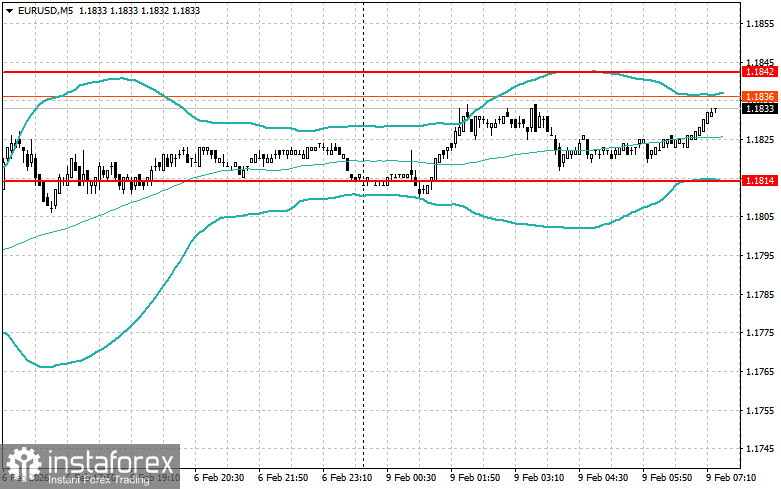
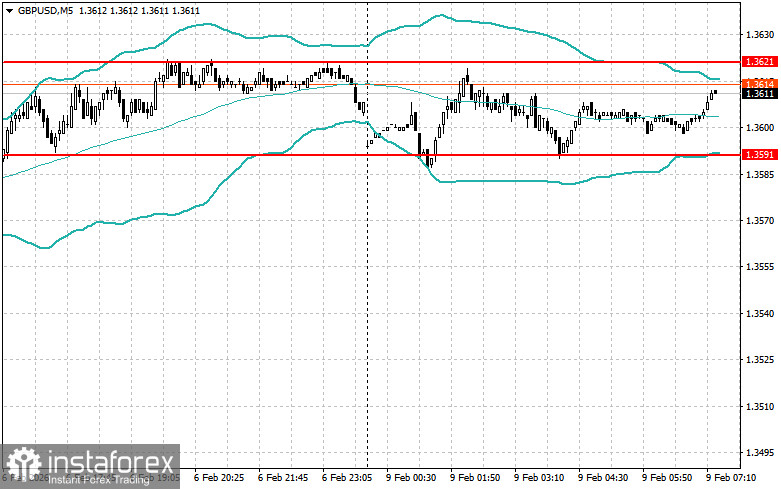
The euro and the British pound continued their corrections against the dollar.
Recent data released on Friday by the University of Michigan regarding inflation expectations in the U.S. presented an unexpected surprise to the market. The decline in these indicators, which traditionally signals future price levels, exerted noticeable, albeit slight, pressure on the American currency. A slowdown in inflation expectations is often interpreted as a signal of easing price pressures in the economy. This, in turn, may prompt the Federal Reserve to reconsider its monetary policy and adopt a more dovish stance, although many market participants expect rate cuts no earlier than this summer.
Today's agenda features important macroeconomic data, specifically the Sentix Investor Confidence Index, as well as a speech from the President of the Bundesbank, Joachim Nagel. While both are unlikely to significantly impact market sentiment, given that no other data are available, attention will focus on these indicators. The Sentix index, which is a monthly survey of institutional investors, serves as a closely watched barometer of sentiment in the Eurozone. Its value allows for assessing how optimistic or pessimistic investors are about the current and future economic situation. Market participants will also pay attention to President Nagel's speech. As the head of the central bank of the largest economy in the Eurozone, his words are often seen as an indicator of the European Central Bank's future policy. Any changes in rhetoric or signals regarding possible adjustments in approach could lead to significant volatility in the markets.
In the absence of substantial macroeconomic data from the UK, all attention from traders and analysts will be on statements from Bank of England Monetary Policy Committee member Catherine L. Mann. Her rhetoric could set the tone for trading and affect the dynamics of the British pound. If Catherine Mann advocates a more hawkish approach that suggests a continued pause in rate cuts, this could support the pound.
If the data aligns with economists' expectations, it is best to act based on the Mean Reversion strategy. If the data significantly exceed or fall short of economists' forecasts, using the Momentum strategy would be preferable.