
یہ بھی دیکھیں


 03.09.2026 01:15 PM
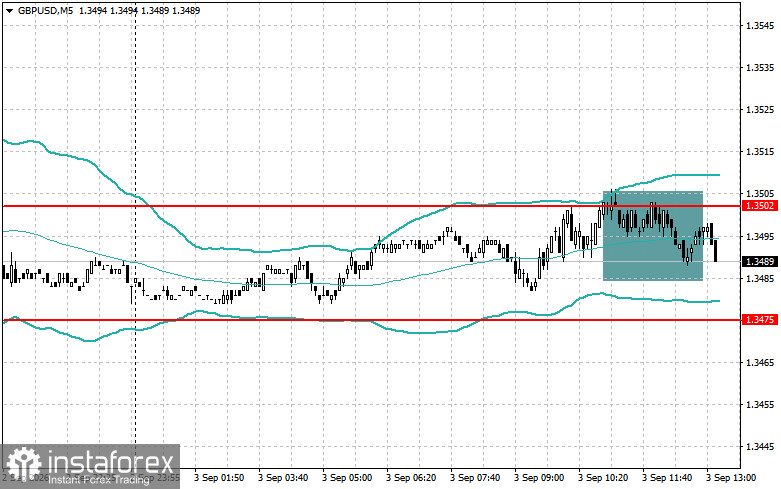
The pound performed very well today using the Mean Reversion strategy. I traded the Japanese yen and Australian dollar using Momentum.
The data showed that the eurozone economy performed reasonably well in August. The composite PMI came in at 52.0, exactly matching July's eight-month high, while services edged down to 51.6 from 51.7. Business activity indices are based on company surveys and reflect the state of the economy, with a reading above 50 indicating growth. However, both figures came in slightly below preliminary estimates and remain below the long-term average of 52.3. Therefore, there was no surprise for the market, and EUR/USD remained driven by external factors.
For the ECB, however, something else is more important, as the disinflationary process that had been underway since the May peak has stalled, while input costs and output prices in the services sector accelerated to three-month highs. S&P Global explicitly noted that the central bank may consider tighter policy at the meeting to be justified. The meeting will take place in Berlin on September 10, and the market is almost fully pricing in a 25-basis-point rate hike to 2.5%. This remains a supportive factor for the euro, despite its muted reaction to the report itself.
As for the pound, Britain's services sector accelerated to 52.5 in August from 52.1, reaching a four-month high, while the composite index rose to 52.5 from 52.2. GBP/USD responded with an increase. Nevertheless, the report had two problems. The first concerns employment, which has been declining in the services sector for 23 consecutive months. The second problem is more important for the Bank of England, as input cost inflation turned higher after reaching a five-month low in July, while output prices in the services sector accelerated for the first time in four months. This creates a mixed backdrop for GBP/USD: stronger services activity and increasing price pressures support the case for a hawkish policy stance, but a weak labor market limits the upside potential of the British currency.
The second half of the day promises to be busy, as in addition to the US services business activity index and composite PMI, weekly initial jobless claims and the foreign trade balance will be released. PMI indices reflect the state of business activity, with the 50-point mark separating growth from contraction, while jobless claims serve as a timely indicator of labor-market conditions, which is particularly important following yesterday's weak ADP report and ahead of Friday's official employment report. The trade balance will add to the overall picture, although it is a secondary short-term driver.
The speeches by FOMC members Christopher Waller, Beth Hammack, and Austan Goolsbee deserve particular attention, as their comments could add to the confusion and highlight divisions within the Fed. Recall that Hammack was previously among the policymakers who favored a rate hike, while the positions of other members differ. Therefore, the divergence of views could add uncertainty to the market.
If the economic data are strong, I will rely on the Momentum strategy. If the market does not react to the data, I will continue to use the Mean Reversion strategy.
Momentum Strategy (breakout) for the second half of the day:
For EURUSD
For GBPUSD
For USDJPY
Mean Reversion Strategy (return) for the second half of the day:
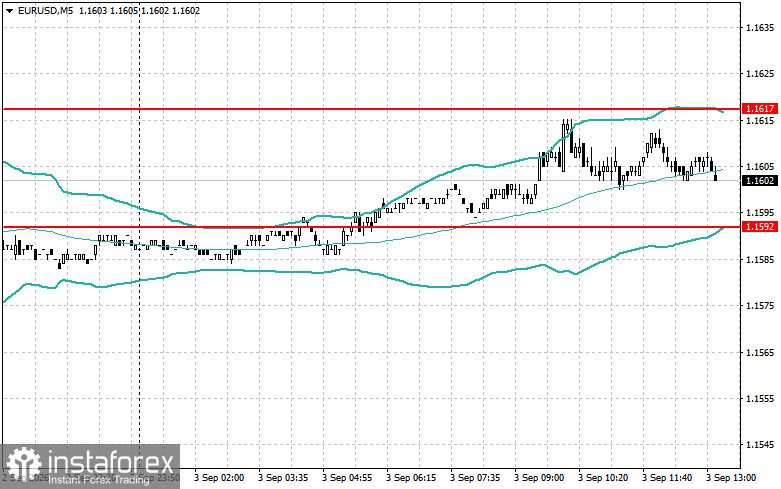
For EURUSD
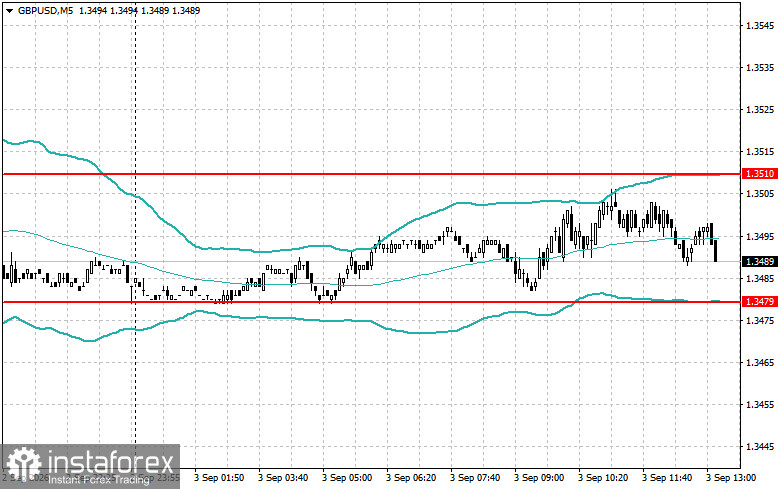
For GBPUSD
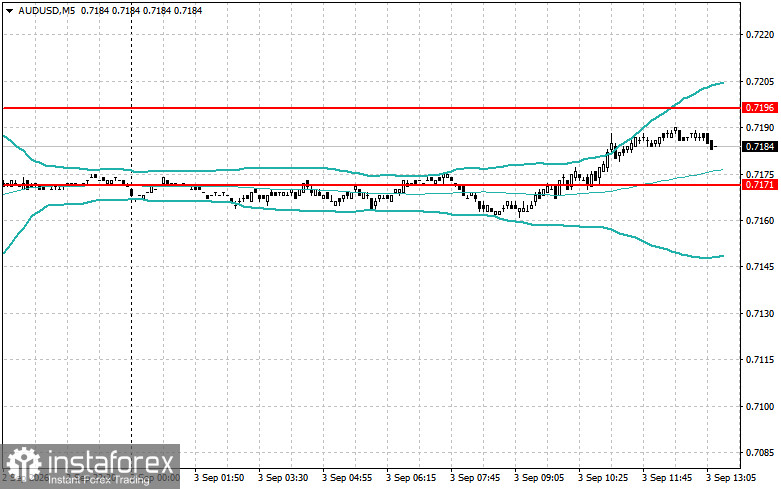
For AUDUSD
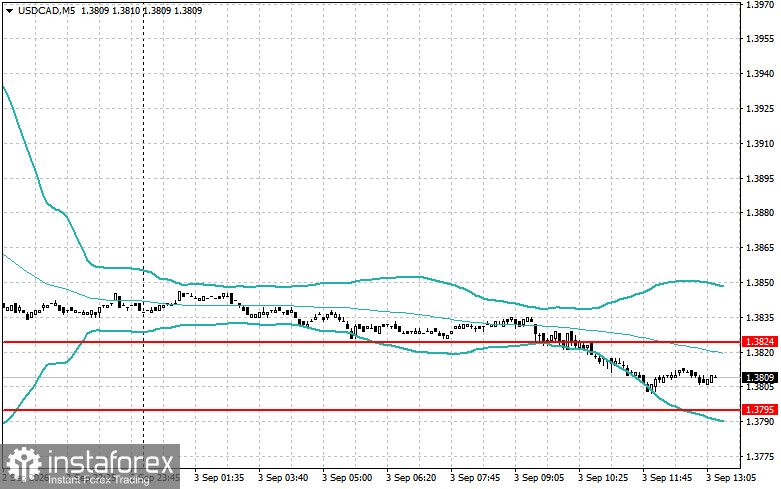
For USDCAD


