یہ بھی دیکھیں


 23.04.2026 08:32 AM
The euro, pound, and other risk assets continued to decline against the U.S. dollar after Iran, ignoring all warnings from the US, continued to intercept trading vessels in the Strait of Hormuz.
Iran's actions in the Strait of Hormuz, including the shelling of commercial ships and the seizure of at least two vessels, elicited a predictable response in the currency market. In conditions of heightened geopolitical tension, there is traditionally a rise in demand for the U.S. dollar as a safe haven, which has occurred in this case. The dollar's strengthening reflects traders' desire to protect their assets from risks associated with regional escalation.
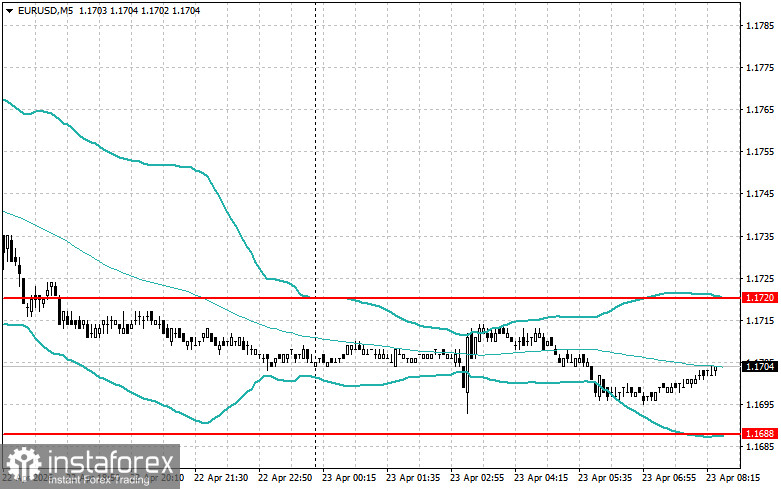
Further movement in the EUR/USD pair will be closely monitored by market participants, as it is directly influenced by the publication of key macroeconomic indicators from the eurozone. Particularly significant are the data on the manufacturing and services PMI (Purchasing Managers' Index), as well as the composite PMI, which integrates readings from both sectors. These indices are among the most timely indicators of economic conditions, reflecting purchasing managers' sentiment about current conditions and prospects. Strong data—though unlikely given the situation in the Middle East and the new energy crisis—could signal more sustainable recovery or growth in the eurozone economy, which, in turn, would raise the likelihood of appreciation for the euro. Conversely, weak PMI figures indicating a slowdown in business activity or even a decline could increase pressure on the euro.
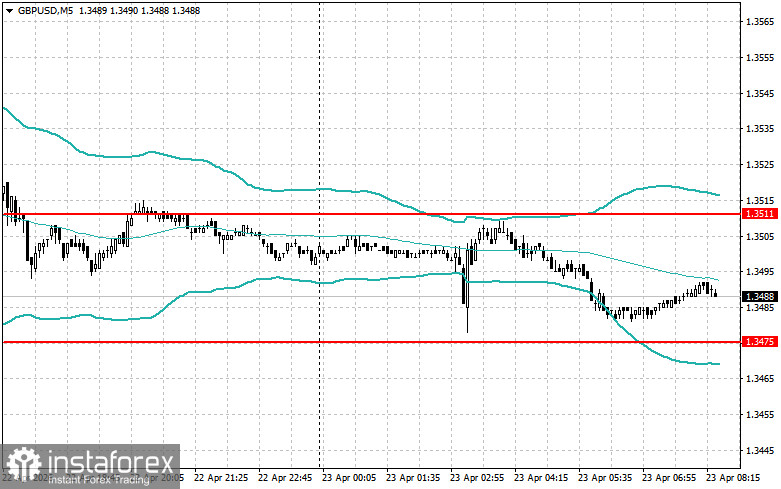
As for the pound, it is expected to face equivalent data, but for the UK. If the PMI indices show strong growth, indicating improved business conditions, this could strengthen the British pound. On the other hand, if the published data comes in worse than expected or shows signs of deceleration, this could raise concerns regarding the outlook for the British economy, further increasing pressure on the GBP/USD pair.
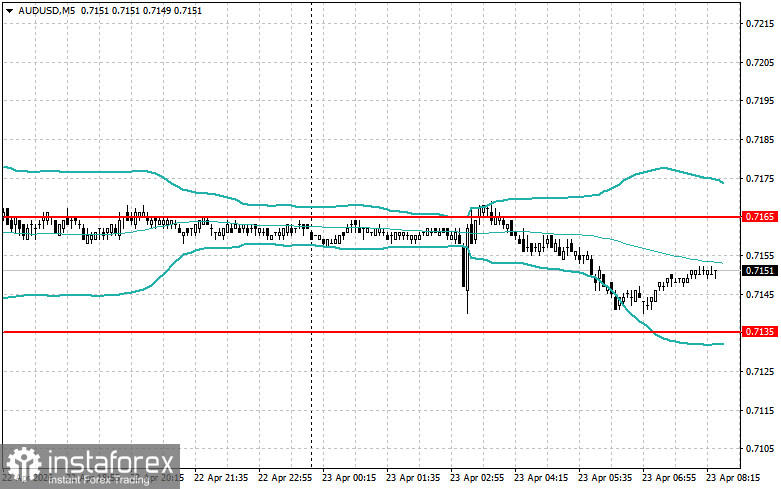
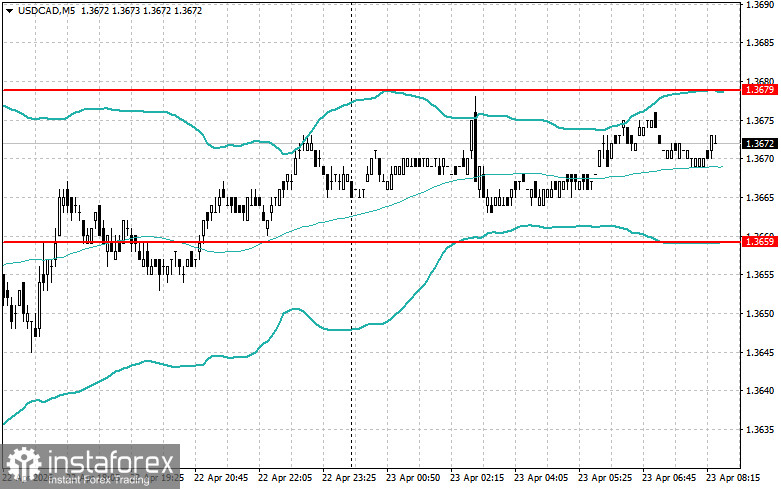
If the data aligns with economists' expectations, it would be advisable to implement the Mean Reversion strategy. If the data significantly exceeds or falls short of economists' expectations, a Momentum strategy may be the best approach.