यह भी देखें


 12.06.2026 08:46 AM
As we can see, only the situation in the Middle East is currently having a significant impact on the currency market, while other fundamental events are being largely overlooked.
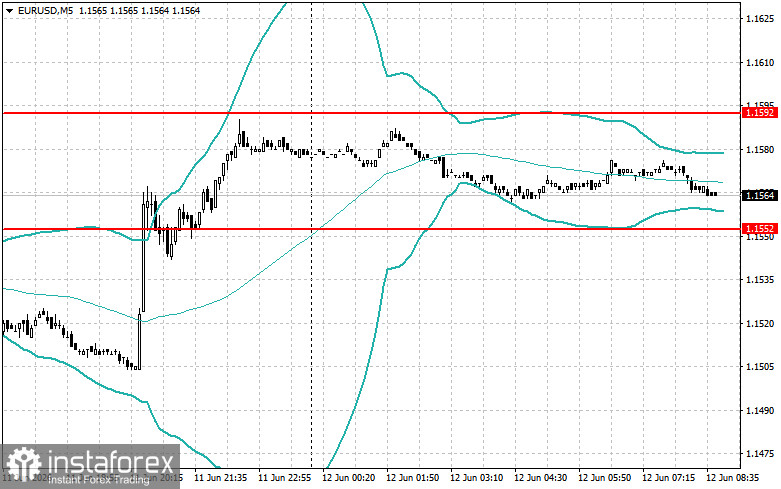
Yesterday, the European Central Bank took the expected step of raising the key interest rate by 25 basis points to 2.25%. At first glance, this move could have triggered significant fluctuations in the currency market; however, to many's surprise, the euro showed only minor gains. The main driver of the euro's movement was not the European Central Bank's actions but rather statements from US President Donald Trump. His sudden announcement that he no longer intends to take further military action against Iran had a far more substantial impact on trader sentiment. This shift in US foreign policy seemingly reduced geopolitical risks, which in turn led to market stabilization and weakened demand for traditional safe havens like the dollar.
Today promises to be eventful, as important macroeconomic data is set to be released from key Eurozone economies. Consumer price index figures from Germany, Italy, and Spain are expected. These indicators play a critical role in assessing inflationary processes in the region and could, consequently, significantly influence the ECB's decisions regarding future monetary policy.
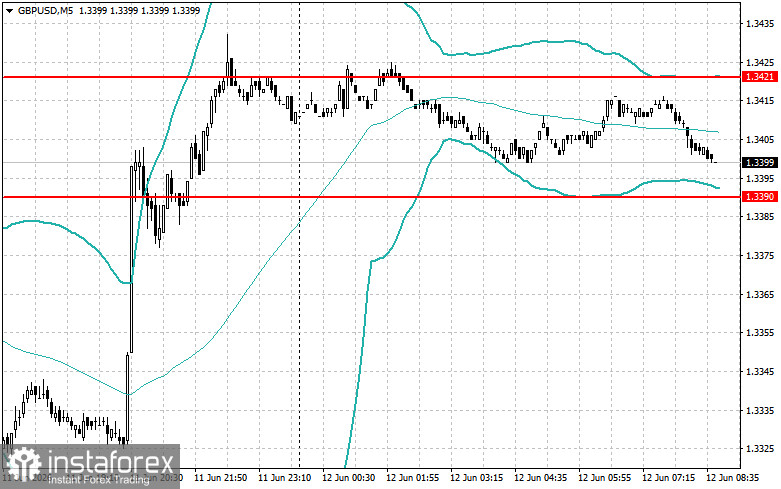
As for the British pound, figures on changes in UK GDP over the last three months, industrial production, and the trade balance are also expected in the first half of the day. The released GDP data is likely to show a slowdown in economic growth, driven by both internal and external factors. A decline in industrial production reflects difficulties in the manufacturing sector, a key driver of the economy. These challenges could include global supply chain issues and domestic challenges related to the energy crisis and inflationary pressure. Collectively, these macroeconomic indicators will create an unfavorable backdrop for the British pound.
If the data aligns with economists' expectations, it is better to act based on the Mean Reversion strategy. If the data significantly exceeds or falls short of economists' expectations, it is best to utilize the Momentum strategy.