यह भी देखें


 17.02.2026 08:21 AM
The holiday in the U.S. helped the American dollar rise against risk assets, including against the euro and the British pound.
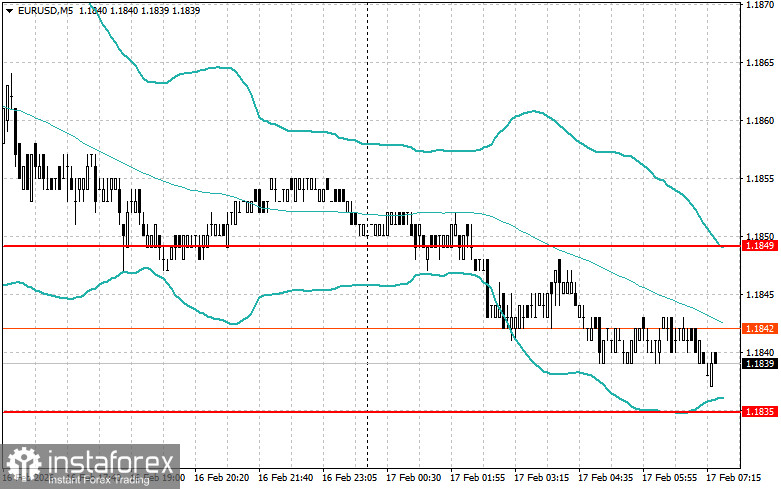
Today, many reports are expected to be released in the first half of the day. Data on the consumer price index (CPI) in Germany, the ZEW Economic Sentiment Index for Germany, and a similar report for the Eurozone are expected. These key indicators can significantly impact the dynamics of the euro.
The CPI for Germany in January will serve as a barometer of inflationary expectations in the Eurozone's largest economy. Analysts forecast a month-on-month increase of 0.1%, which likely won't fuel speculation about the European Central Bank's future policies, so traders may overlook this data. Concurrently, the ZEW Economic Sentiment Index for Germany will be released—a leading indicator reflecting investor and analyst expectations. The current consensus suggests a value of about 65 points. Positive dynamics signal a recovery in confidence in the business environment, which will lead to euro purchases.
Completing the trio is the overall ZEW for the Eurozone, where a moderate increase to 45.2 points is expected. This indicator aggregates data from key countries to provide a panorama of regional prospects.
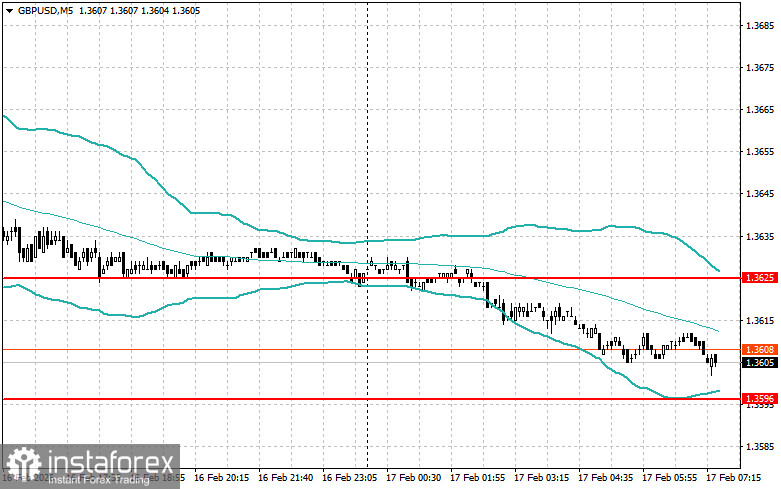
Regarding the British pound, traders will focus on labor market data in the first half of the day. Changes in unemployment benefit claims, the unemployment rate, and average earnings dynamics are expected. These indicators will serve as a litmus test for assessing the resilience of the British economy amid challenges and persistently high inflation, and for determining the trajectory of the British pound and Bank of England policy.
Strong reports could strengthen the pound; weak data may lead to a decline and a flight to safe assets.
If the data meet economists' expectations, it is better to act based on the Mean Reversion strategy. If the data turns out to be significantly higher or lower than economists' expectations, the Momentum strategy is advisable.