यह भी देखें


 11.02.2026 08:06 AM
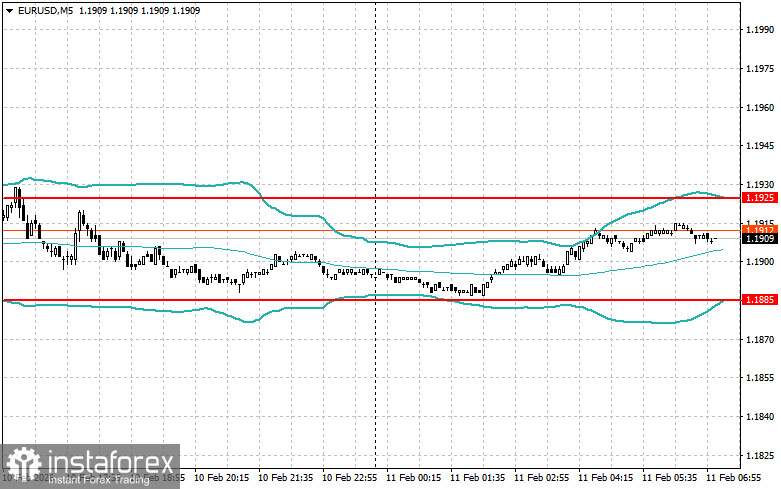
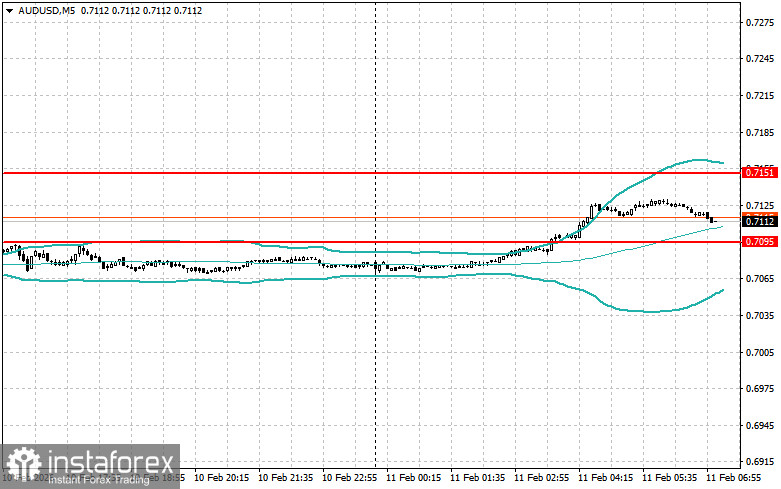
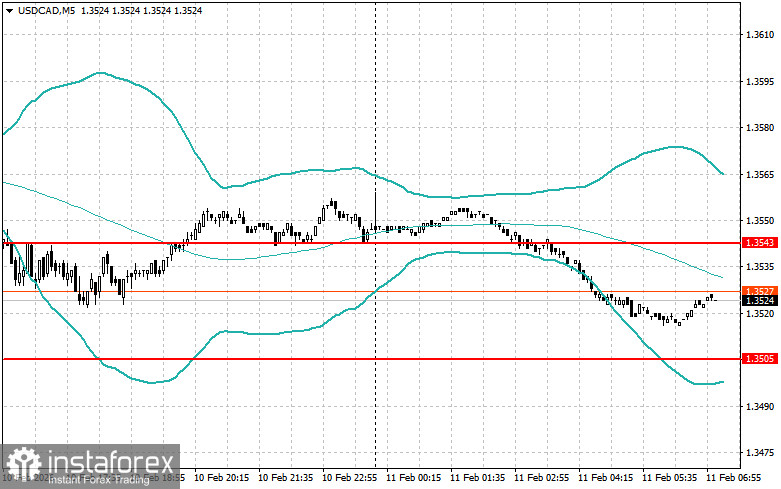
The euro remained within a sideways channel, while the British pound slightly depreciated. The Japanese yen, Australian dollar, and Canadian dollar appreciated against the US dollar.
Yesterday's weak US retail sales data put pressure on the dollar. This indicator, which is one of the key measures of consumer activity and, consequently, economic growth, showed no upward momentum, which was significantly worse than economists' forecasts. Unfulfilled expectations among analysts and traders for robust retail sales growth during the pre-holiday period prompted a reassessment of forecasts for the future dynamics of the American economy. The slowdown in retail sales may signal weakening consumer demand, which could negatively affect overall macroeconomic indicators. In the context of the Federal Reserve's current monetary policy, which aims to maintain price stability and stimulate economic growth, such data could raise concerns about the need to adjust course.
Today's economic calendar, while not overflowing with major releases, offers an important signal from the Eurozone. Traders' attention will be focused on Italy in the first half of the day, where data on changes in industrial production is expected. This indicator, serving as a measure of manufacturing activity, is particularly significant given Italy's role as one of the largest economies in the European Union.
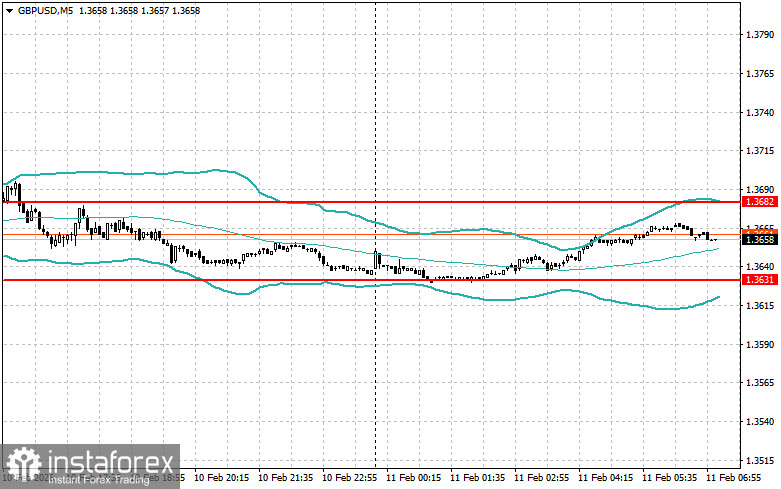
As for the British pound, today's macroeconomic data from the UK are expected to be relatively calm. The absence of significant economic releases means that the market will likely lack new reasons for a substantial reassessment of the pound sterling. This situation opens the possibility that the pound could rise ahead of important US labor market data, which may disappoint many market participants.
If the data aligns with economists' expectations, it's best to operate under the Mean Reversion strategy. If the data deviates significantly from expectations, then the Momentum strategy would be ideal.