
यह भी देखें


 27.01.2026 03:03 PM
After a brief consolidation, the US dollar resumed its fall. The Japanese yen caused a ripple effect on Friday, and panic quickly spread to other currencies.
The move started after reports that Fed officials were considering a joint currency intervention with the Bank of Japan to stabilize the yen.
It began with the Bank of Japan's meeting on Friday: monetary policy was left unchanged, BoJ Governor Ueda remained cautious and gave no hint of a rate rise. The yen started to sell off — a small move at first — but then reports emerged that the Fed had been "checking prices," and some sources said this was being done on behalf of the Treasury.
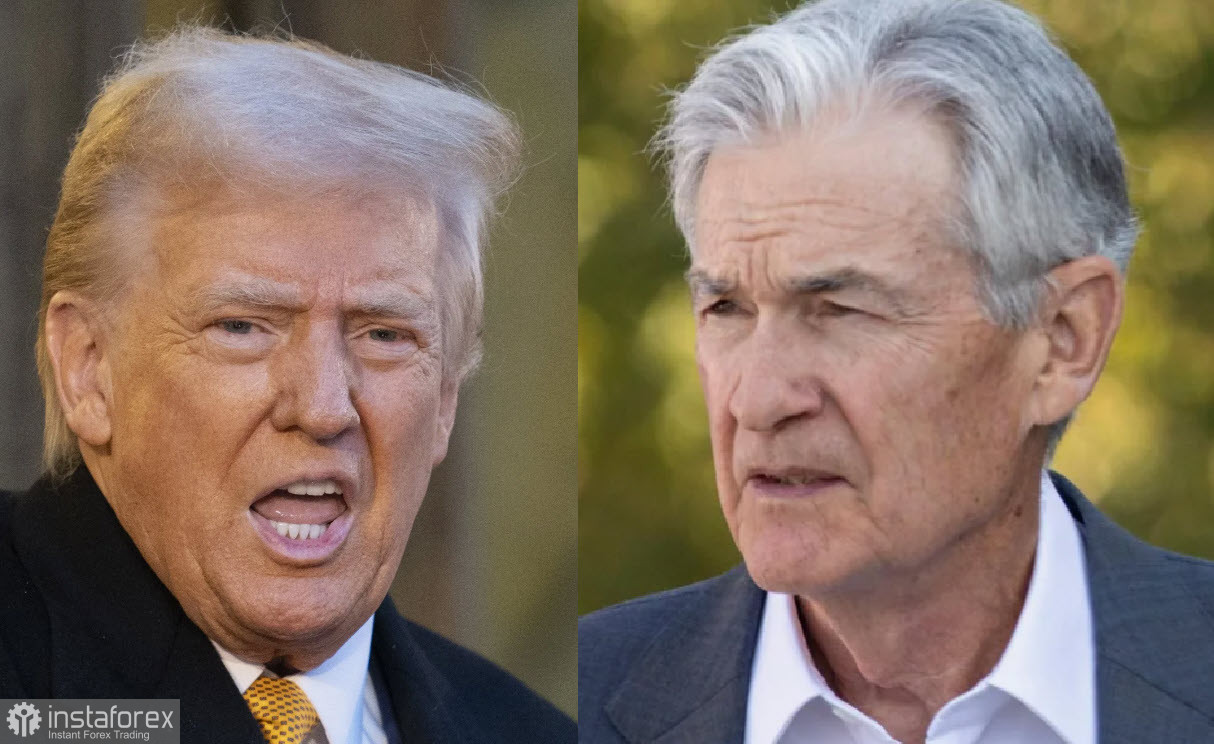
Bloomberg stoked the panic with a report that the New York Fed had held consultations about the yen. Over the weekend, Japanese Prime Minister Takaichi hinted at the possibility of "coordinated intervention," which further amplified the panic. At the same time, Bank of Japan money?market data published on Monday indicate that the BoJ did not intervene on Friday. So, the sharp swings first in the yen and then in the dollar were driven by traders' reactions, not actual reserve use.
It turns out that it was the threat of yen intervention — not an actual intervention — that triggered the powerful move: USD/JPY fell from Friday's high of 159.24 to 153.32 on Monday, a drop of the kind usually seen only when interventions occur. But the dollar depreciated sharply across the board, and that move is hard to explain solely by yen speculation. If we also look at other factors, such as gold rallying already above 5,100 or the much faster rise in silver, the current move can be explained less by a threatened yen intervention and more by panic about the stability of the global financial system built on the dollar.
US stock indices fell only slightly; bond markets were subdued as well, with the 10?year Treasury yield comfortably holding above 4.20%. Friday's data gave no reason for panic: the University of Michigan consumer?sentiment index rose in January, and inflation expectations are slightly below December's reading.
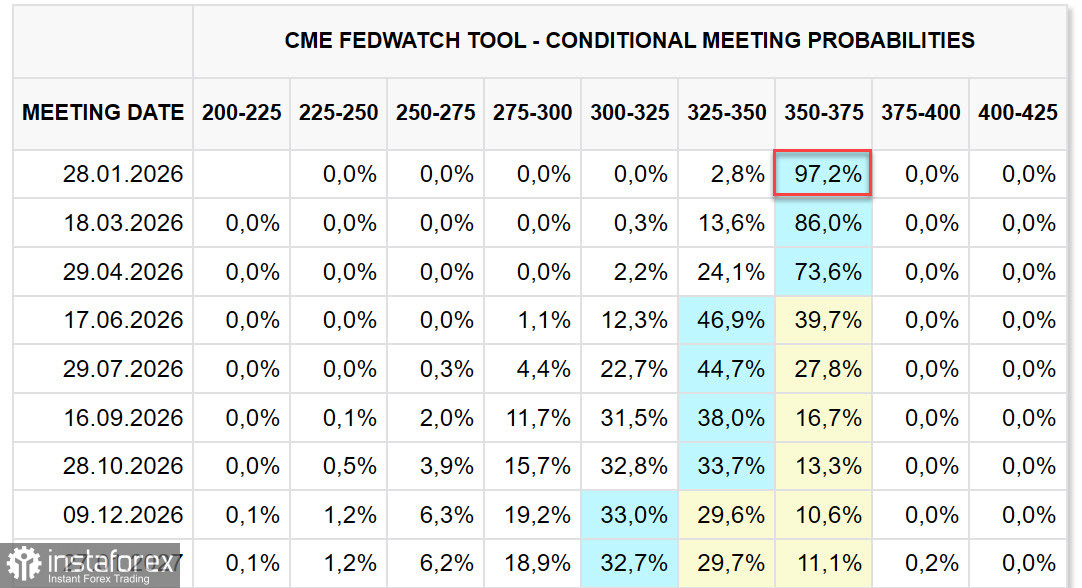
The FOMC will assemble on Wednesday, and the funds rate is likely to be left unchanged. If the dollar story were only about concerns over its outlook, futures would likely be pricing in more pronounced easing later this year, but that has not happened. The Fed will wait for new data.
Since mid?January, the Federal Reserve has been under intense scrutiny after Powell announced the criminal prosecution matter, implying it is being used to try to extract loyalty from him on monetary policy. Tomorrow, the Fed is expected to distance itself from politics and make decisions strictly on economic grounds, which point toward holding the rate.
Markets are trading in very narrow ranges today ahead of the FOMC decision. Therefore, the market is trading quietly.
There is little reason to expect the dollar to rebound after its two?day slide. Usually, once the factor that caused a big move is worked off, a corrective bounce follows, but the current situation is in some ways unique: there is no clear basis for such a bounce given the broad rally in precious metal prices. It appears we may be approaching a major crisis of the entire currency system built around the US dollar.

