
Lihat juga


 15.05.2026 12:41 AM
On Thursday, during the North American session, the EUR/USD currency pair continued its decline for the third consecutive day, losing about 0.22%. Pressure on the euro was exerted by US macroeconomic indicators, which confirmed the resilience of consumer activity. Additionally, labor market data recorded a moderate increase in initial jobless claims. Currently, the pair is attempting to hold a very important 20-day SMA.
The decline in the EUR/USD pair is largely due to persistent inflation, which reduces the likelihood of the Federal Reserve easing monetary policy. For example, in April, US retail sales increased by 0.5% month-on-month, matching market expectations but falling short of March's 1.6% increase. Year-on-year, the figure grew by 4.9%, significantly exceeding the forecast of 3.3%.
In additional data, the number of initial claims for unemployment benefits for the week ending May 9 increased to 211,000 from the expected 205,000. The structure of consumer spending is noteworthy amid the sharp rise in energy prices: revenue at gas stations increased by 2.8% after a surge of 13.7% the previous month. According to the US Energy Information Administration (EIA), gasoline prices rose by 12.3% in April.
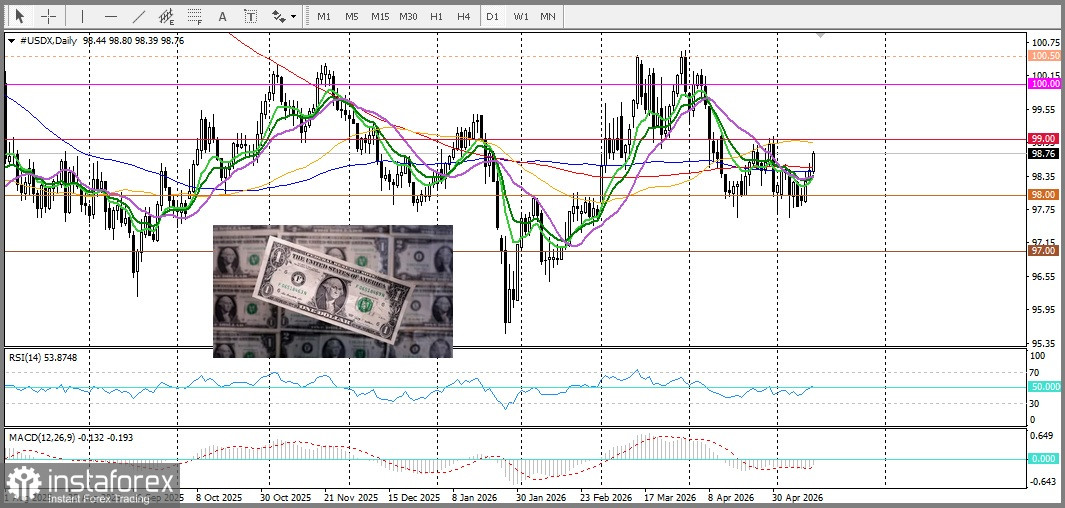
Overall, the dynamics of the dollar remain positive: the US Dollar Index (DXY), which reflects its value against a basket of six major currencies, increased by 0.33% to 98.77, setting a ten-day high.
Against this backdrop, the euro has come under pressure and is likely to maintain a downward trend following statements from Kansas City Fed President Jeffrey Schmid. He noted that inflation poses the most serious threat to the US economy, while emphasizing the high resilience of economic activity and the effective functioning of the labor market.
Schmid's comments came shortly after the publication of updated consumer and producer price index data, which again confirmed the persistent nature of inflationary pressures. These figures remain significantly above the Fed's target rate of 2%, strengthening expectations of continued tight monetary policy. Estimates from money market participants indicate there is no basis for a decrease in Fed interest rates throughout 2026.
In the Eurozone, inflation in Spain in April stood at 3.2% year-on-year, matching forecasts and lower than March's 3.4%. In the near future, market participants will focus on the publication of Italy's inflation data.
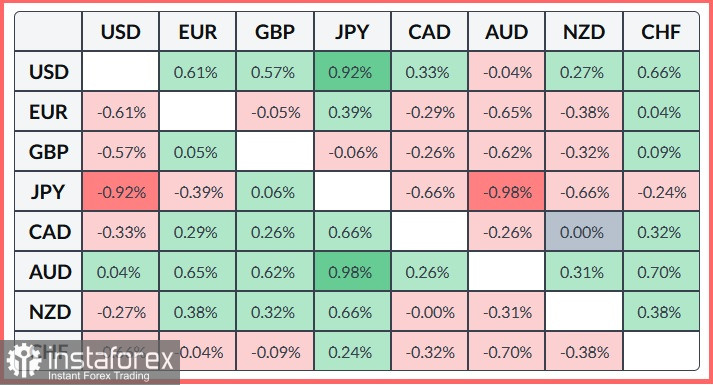
According to currency dynamics, the euro has shown the most strength this week against the Japanese yen.
From a technical perspective, on the daily chart, EUR/USD is trying to hold the 200-day SMA; if it drops below, the 50-day SMA around 1.1645 will provide support. If the pair fails to hold these levels, it will accelerate the decline toward the round level of 1.1600. The bulls need to return above the round level of 1.1700 and break through the 20-day SMA. However, it is worth noting that the Relative Strength Index (RSI) has entered negative territory, indicating the bulls' weakness.


