
See also


 17.09.2026 06:33 PM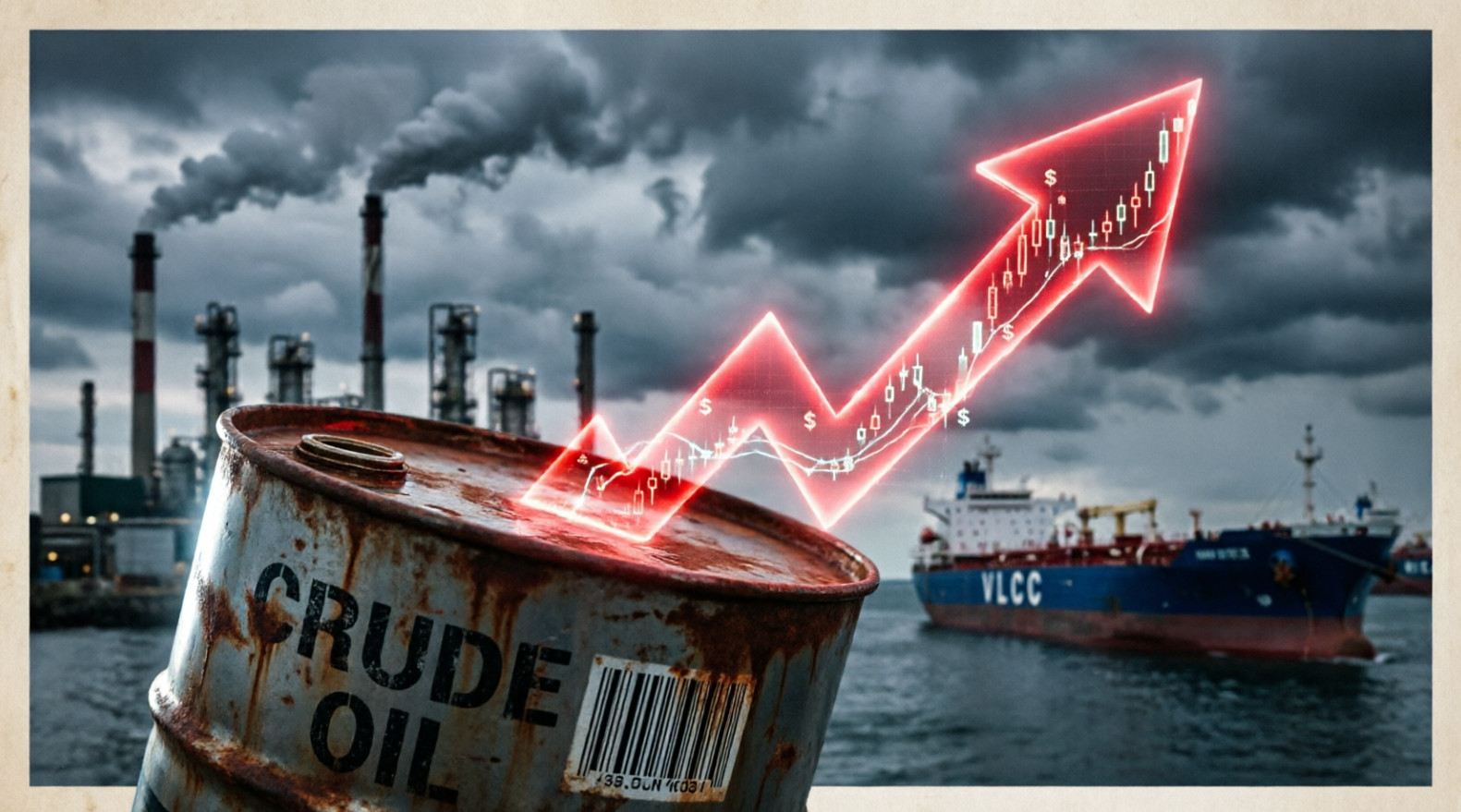
Leaders in the US energy sector are acknowledging the onset of a full-scale global fuel crisis: traditional market mechanisms have been exhausted, while commercial inventories have been declining for six months already. The situation has been exacerbated by an attack on a key Saudi oil pipeline, the resumption of large-scale purchases by China, and an acute shortage of crude oil and refined petroleum products, refining capacity, and available tankers. Against this backdrop, US oil prices are approaching $101 per barrel, while gasoline and diesel prices are hitting all-time records.
The main danger of the crisis lies in its destructive impact on the global economy as a whole, since diesel fuel is a hidden component of the cost of freight transportation, agriculture, and heavy industry. Rising logistics costs inevitably feed into the prices of goods, accelerating inflation and depriving central banks of the ability to cut interest rates. As a result, consumers spend increasingly more on necessities, while consumer demand declines, pushing the global economy into the dangerous territory of stagflation. Read more at the link.
In the United States, initial jobless claims fell to 206,000, beating analysts' expectations and remaining close to their lowest levels. A decline in continuing claims and overall high employment confirm the fundamental resilience of the US labor market. Nevertheless, experts note that even a minor cooling of this sector in the future could put additional pressure on the dollar.
At the same time, the Philadelphia manufacturing business activity index surged to 47.4 points, reaching its highest level since spring 2021 and significantly exceeding forecasts. The increase was driven by rising manufacturing employment, a moderate easing of commodity price pressures, and a sharp increase in manufacturers' optimism about future orders. Despite the current strong performance, analysts expect growth to slow as a correction in the near term, which will also be an important factor in assessing the US currency's trajectory. Read more at the link.
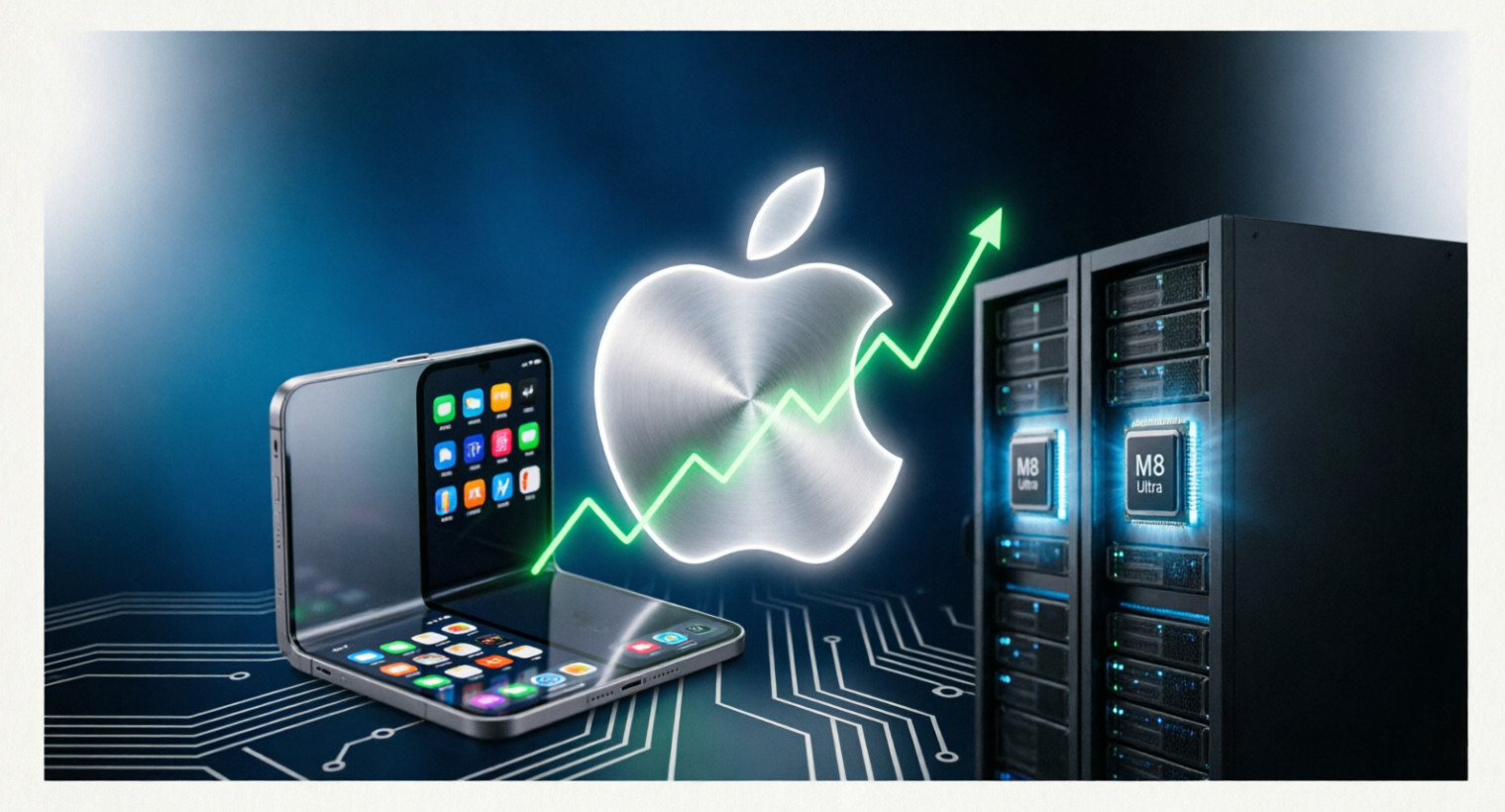
Apple shares are holding firmly near their all-time highs, demonstrating notable resilience amid turbulence in the IT sector. John Ternus has set a strong direction for the company's development by announcing plans to build its own AI servers powered by M8 Ultra processors. The move was prompted by an unexpected hardware shortage: AI developers are buying up Mac Studio computers en masse for local AI training, leaving the supply of conventional consumer hardware insufficient for around-the-clock enterprise workloads. Analysts at HSBC and Arete Research have already raised their price targets for the stock to $366 and $360, respectively.
Apple's product lineup is also undergoing a revolution: the company has unveiled its first foldable smartphone, the iPhone Duo (starting at $1,999), as well as the iPhone 18 Pro family running iOS 27 with deeply integrated neural-network-powered Siri. The company's business fundamentals have been further strengthened by the removal of legal risks, as the startup xAI has fully withdrawn its antitrust lawsuit against the corporation. Combined with the record success of Apple TV+ streaming and its loyal subscriber base, these factors make Apple one of the most reliable and promising players in the market. Read more at the link.
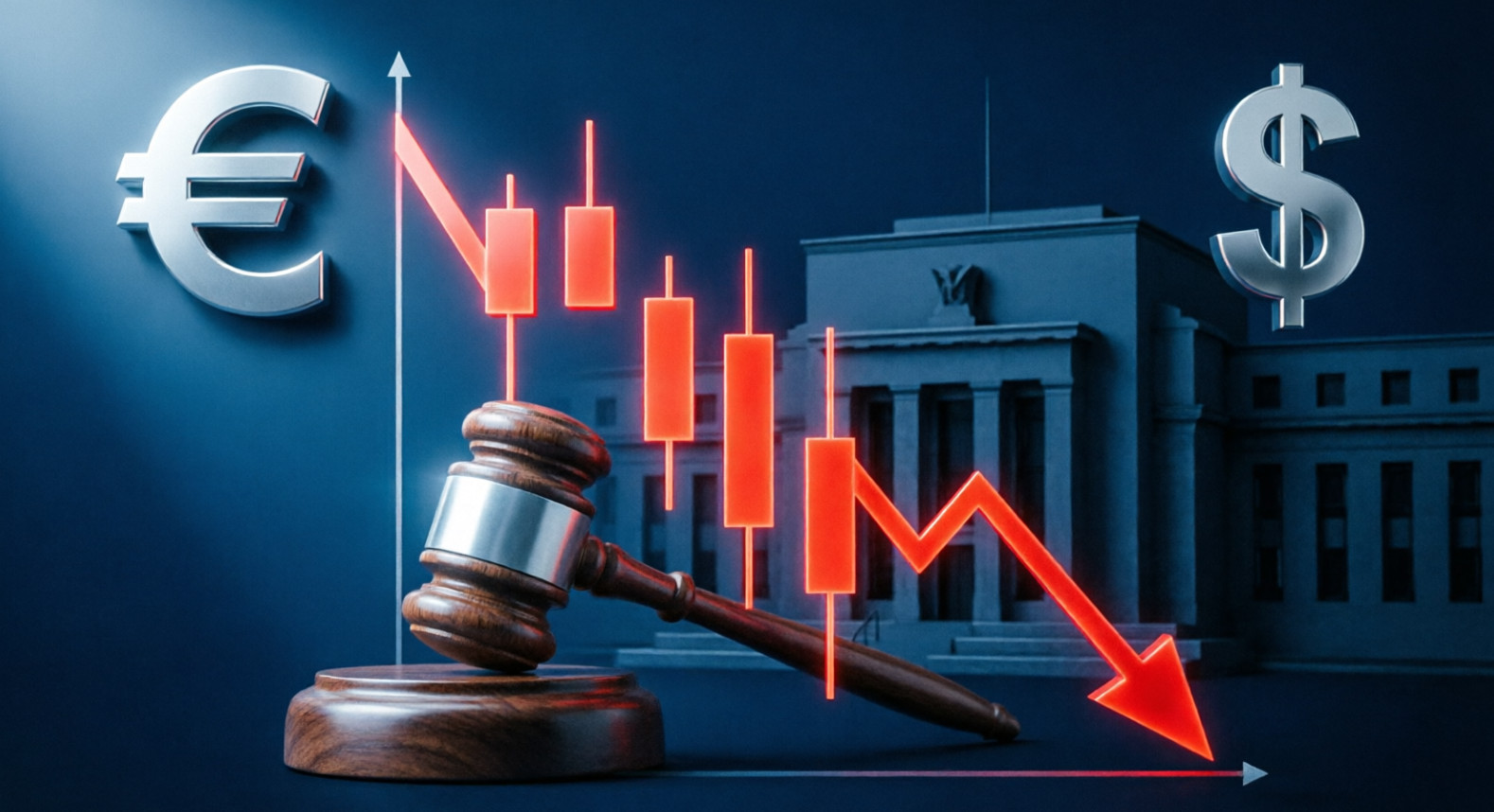
On Wednesday, the EUR/USD pair continued its decline with conviction, breaking through the key support levels of 1.1519 and 1.1473. The technical picture on the hourly charts has turned decidedly bearish, and the euro is now targeting the next level at 1.1416. A potential reversal and recovery will emerge only if the exchange rate manages to reclaim and hold above 1.1473.
The fundamental driver behind the pressure on the European currency was the Federal Reserve's unexpectedly hawkish decision. The FOMC unanimously raised interest rates, while Kevin Warsh confirmed that the regulator remains focused on combating inflation despite weakness in the labor market and political pressure. This left Donald Trump frustrated, as he called on social media for interest rates to be cut to 1% in order to trigger an "investment boom." The Federal Reserve, however, made it unequivocally clear that its economic mandates take precedence over the ambitions of the White House. Read more at the link.


