See also


 12.02.2026 08:52 AM
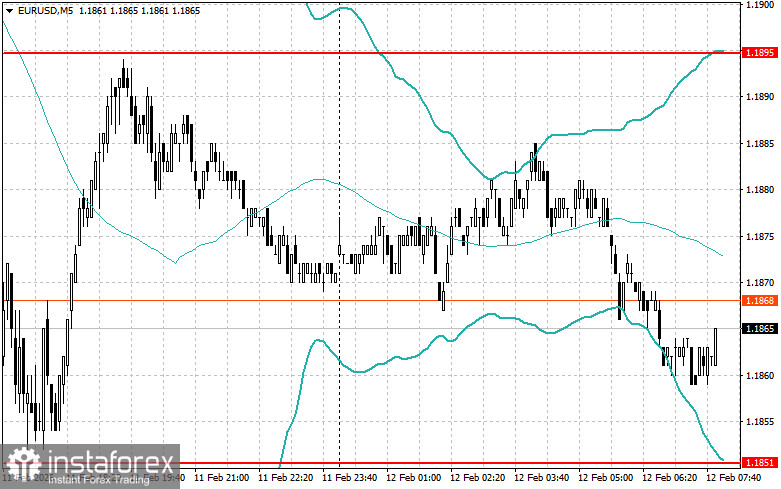
The dollar strengthened significantly against the euro, the pound, and other risk assets, driven by objective factors.
After concerns about rising unemployment in the US eased, the dollar rapidly gained an advantage. Data showed that 130,000 jobs were created in the US last month, and the unemployment rate dropped to 4.3%. This unexpected spike in employment signals a more resilient US labor market than many analysts had anticipated. The decrease in the unemployment rate to 4.3% indicates that the economy continues to absorb new labor, despite fears of a slowdown. The job creation figures, which exceeded forecasts, sent a strong signal to traders, suggesting the Federal Reserve may reconsider its plans for further interest rate cuts.
Today, key figures from the European Central Bank are expected to speak—Bundesbank President Joachim Nagel and ECB Board Member Isabel Schnabel. These speeches are typically closely analyzed by market participants, as they may contain valuable insights into future ECB monetary policy, inflation expectations, and overall prospects for the European economy. However, given that no significant policy changes are expected from the central bank, the typical speeches of ECB representatives are unlikely to affect the market.
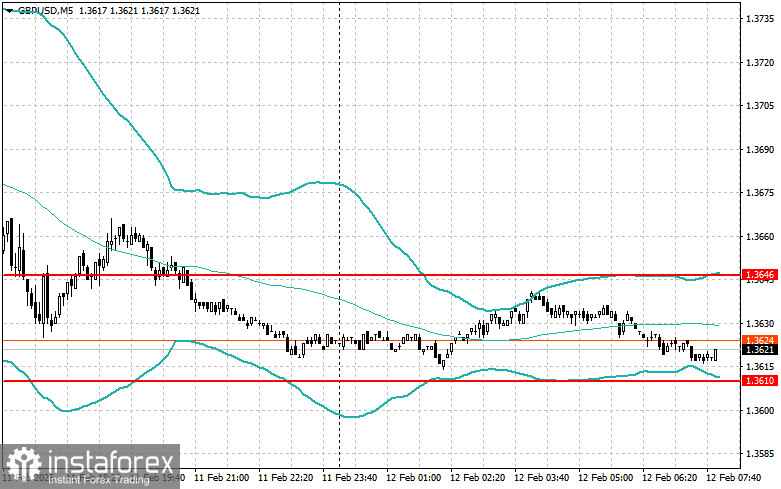
As for the pound, key economic datafor the UK are expected in the first half of the day, which could significantly influence currency rates and trader sentiment. In particular, reports on the change in the country's GDP for December and the fourth quarter of 2025 are scheduled for publication. These indicators are fundamental measures of the national economy's state, reflecting its overall growth or decline. Along with GDP data, the market is also expecting information on changes in industrial production. This indicator provides insight into the dynamics of the manufacturing sector, which is a crucial component of economic activity. Improvements or declines in industrial production metrics can signal upcoming trends in other sectors of the economy, such as employment and consumer spending. Additionally, data on the trade balance of goods will be presented. This indicator measures the ratio of exports to imports of goods and plays an important role in assessing a country's balance of payments and competitiveness in the global market.
Poor metrics could quickly put pressure on the pound, continuing yesterday's bearish sentiment.
If the data aligns with economists' expectations, it is better to operate under the Mean Reversion strategy. If the data comes in significantly above or below economists' expectations, the Momentum strategy would be the best approach.